Prof. Walsemann is on sabbatical during the 2026–2027 academic year and focusing on research and scholarly activities. During this time, she is not teaching or participating in university service activities. She remains available for research collaborations, sponsored research activities and advising her current PhD students.
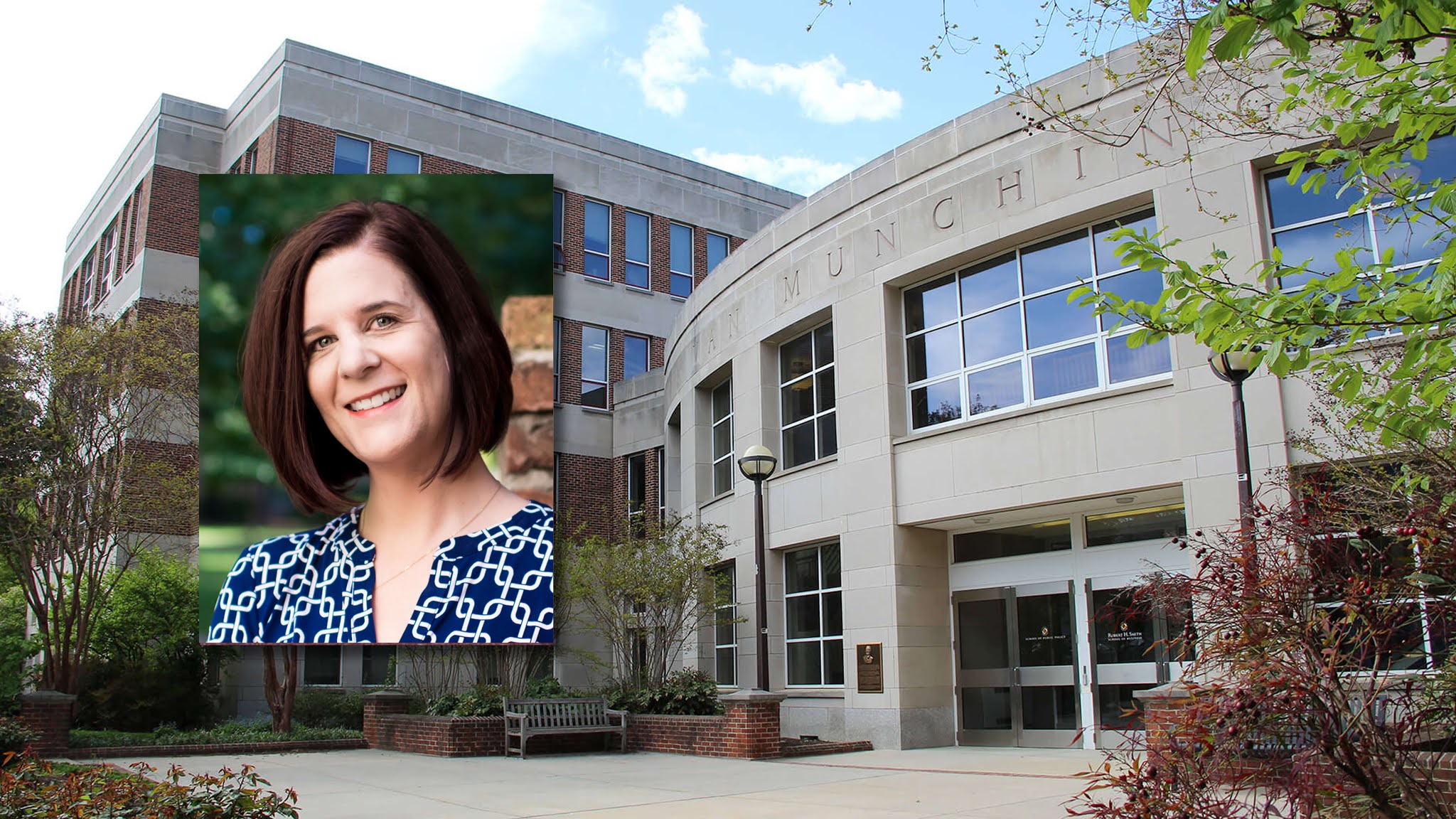
Katrina Walsemann is professor and Roger C. Lipitz chair in health policy in the School of Public Policy at the University of Maryland, College Park. She is MPI (with Pamela Herd and Sanjay Asthana) of the NIA-funded Network on Education, Biosocial Pathways and Dementia (EdDem Network) and MPI and co-director of the Southern Population Aging Research Center (SPARC) with David Warner (University of Alabama at Birmingham) and Christine Mair (University of Maryland, Baltimore County).
A population health and life course scientist, she examines how education shapes health across the life course, focusing on how features of the U.S. education system—such as school quality, segregation and state investment—contribute to cognitive aging and dementia risk. Through NIA-funded research, she led the development of the State Education Contextual Data Resource (S-ECDR), a publicly available data resource that enables researchers to examine how historical educational contexts shape health and aging across the life course.
She holds a PhD and MPH in health behavior from the University of Michigan School of Public Health and completed a National Institute on Aging (NIA) postdoctoral fellowship at the University of Michigan Population Studies Center.
- Population health, aging and the life course, dementia, student debt, education and social policy, health in all policies
This Mid-Career Independent Scientist (K02) award proposal expands my expertise in education and ADRD to the field of genetics. My long-term career goal is to establish myself as a national and international expert in ADRD. To achieve this goal, I have identified four objectives as part of the K02 project: 1) develop knowledge of and advanced analytic skills in using genetic markers of ADRD and polygenic risk scores for cognitive impairment and dementia; 2) cultivate new collaborations with established social scientists who have expertise in using genetic data in population studies broadly as well as specific to ADRD; 3) extend my currently funded research (R01AG067536) to examine how genetic susceptibility to cognitive impairment and dementia interacts with early educational contexts and may result in differential risk for cognitive decline and impairment; and 4) apply the data and knowledge gained from the K02 award to secure additional R01 and P30-level funding to support my research program in ADRD and build institutional capacity in aging and ADRD at the University of Maryland, College Park.
Learn More about The Role of Early Educational Contexts in Differential Genetic Susceptibility to Cognitive Impairment and DementiaTo advance scientific understanding of how, why, and for whom education relates to ADRD, we will build an interdisciplinary network of ADRD scientists whose joint expertise is vital to achieving NIA’s goal to reduce educational disparities in ADRD: population health scientists, with their expertise in the behaviors that shape dementia risk and resilience, and ADRD researchers, with their expertise in the biology and neurocognitive aspects of ADRD. Our Network will advance scientific understanding of how education relates to ADRD disparities by exploring the socioeconomic, social, psychological, and biological mechanisms that shape resilience and risk and if these patterns differ by race and ethnicity. Identifying and clarifying mechanisms is needed to inform interventions to reduce educational disparities in ADRD. Our Network will facilitate research collaboration and professional development via annual meetings, small working groups, pilot awards, and workshops.
Learn More about Network on Education, Biosocial Pathways, and Dementia across Diverse PopulationsThe major goal of this project is to determine if education operates differently to reduce risk for Alzheimer’s disease and related dementias (ADRD) when it is attained under more (or less) advantaged educational contexts among Black and White older adults.We will address this goal through the creation of a rich, longitudinal data resource of state and local educational contexts that we will link to the Health and Retirement Study (HRS), a nationally representative longitudinal study of U.S. adults over 50. We will estimate variation in these relationships by birth cohort and race.
Learn More about State and Local Educational Contexts of Older U.S. Adults and Their Association with Cognitive Impairment and Dementia
2025–2027 — Multiple Principal Investigator (with David Warner, University of Alabama at Birmingham, and Christine Mair, University of Maryland, Baltimore County). Southern Population Aging Research Center (SPARC). National Institute on Aging (P30AG097132). $884,985 (total costs, Years 1–2).
Learn More about Southern Population Aging Research Center (SPARC)School Authors: Katrina Walsemann
Other Authors: Mateo P. Farina, Heide Jackson, Jennifer A. Ailshire
School Authors: Katrina Walsemann
Other Authors: Hyungmin Cha, Mateo P. Farina, Heide M. Jackson, Jennifer A. Ailshire
School Authors: Katrina Walsemann
Other Authors: Jennifer A. Ailshire, Mateo P. Farina, Heide Jackson
School Authors: Katrina Walsemann
Other Authors: Heide M. Jackson, Jason D. Boardman, Pamela Herd
School Authors: Katrina Walsemann
Other Authors: Emily Abbruzzi, Heidi M. Jackson, Pallavi Tyagi, Jennifer A. Ailshire
School Authors: Katrina Walsemann
Other Authors: Emily Abbruzzi, Pallavi Tyagi, Heidi Jackson, Jennifer A. Ailshire
School Authors: Katrina Walsemann
Other Authors: Eleanor Kerr, Jennifer A. Ailshire, Eileen Crimmins
School Authors: Katrina Walsemann
Other Authors: Pamela Herd
School Authors: Katrina Walsemann
Other Authors: Heide Jackson, Emily Abbruzzi, Jennifer A. Ailshire
School Authors: Katrina Walsemann
Other Authors: Calley E. Fisk, Mateo P. Farina, Emily Abbruzzi, Jennifer Ailshire
School Authors: Katrina Walsemann
Other Authors: Nicole L. Hair, Mateo P. Farina, Pallavi Tyggi, Heidi Jackson, Jennifer A. Ailshire
School Authors: Katrina Walsemann
School Authors: Katrina Walsemann
School Authors: Katrina Walsemann
School Authors: Katrina Walsemann
School Authors: Katrina Walsemann